News (click to select category)
Low-temperature automatic feeding pendulum impact tester | Low-temperature toughness testing of power-assisted materials
Date:2026-10-08ID: 400Heat:
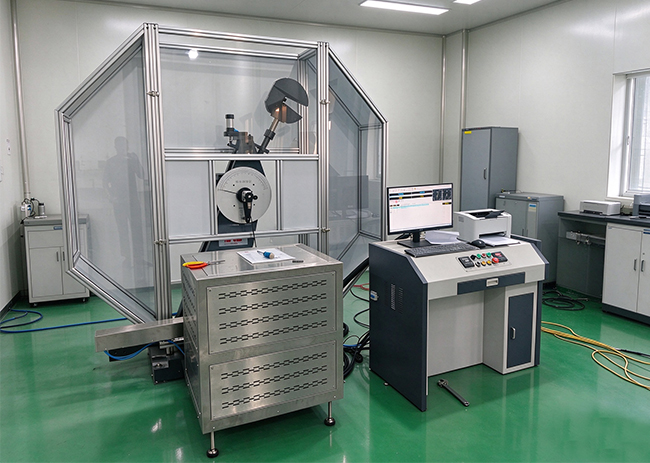
In order to better meet the requirements for testing the low-temperature impact performance of metal materials, our low-temperature automatic feeding pendulum impact tester strictly follows GB/T229‑2020 "Charpy impact test method for metal materials", which can complete the Charpy impact test of metal at room temperature to-80℃, and is widely used in steel mills, pressure vessels, rail transit, construction machinery, third-party testing institutions and scientific research institutions.
The equipment integrates refrigeration and constant temperature, automatic sample delivery, pendulum impact, sample recovery and microcomputer measurement and control, which effectively solves the pain points such as sample transfer and temperature return, manual placement and positioning deviation, and operational safety risks in traditional low-temperature impact tests. After the constant temperature of the sample reaches the set temperature in the low-temperature tank, the automatic feeding mechanism quickly transports the sample to the impact station, which shortens the exposure time of the sample to the air, ensures the accuracy of the test temperature and improves the stability and repeatability of the test data. The equipment is equipped with a fully enclosed safety protection door interlock device to prevent the sample from splashing and ensure the safety of operators.
Microcomputer measurement and control system can collect impact data in real time, automatically calculate impact absorption work and impact toughness, support test data storage, curve viewing and report export, and facilitate inspectors to complete test records and quality traceability.
This model can continuously carry out low-temperature impact sample testing in batches, greatly improving the test efficiency, and is suitable for evaluating the low-temperature cold brittleness of various metal plates, profiles, castings and forgings and welded joints, providing a reliable detection means for material selection and quality acceptance of components under cold working conditions.
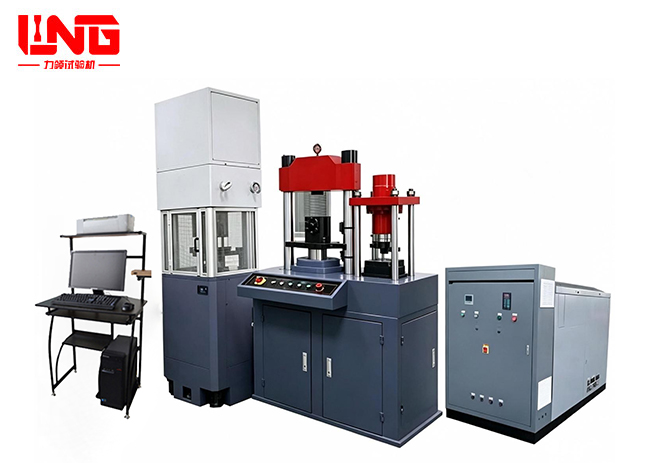
Microcomputer-controlled full-automatic rapid upsetting testing machine
LDW-3000Z microcomputer-controlled full-automatic rapid upse...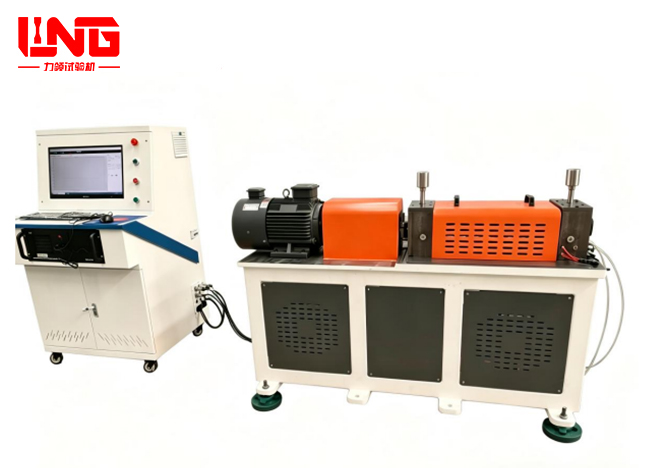
MRC-1 Gear Wear Tester
The gear wear testing machine is a multi-purpose testing mac...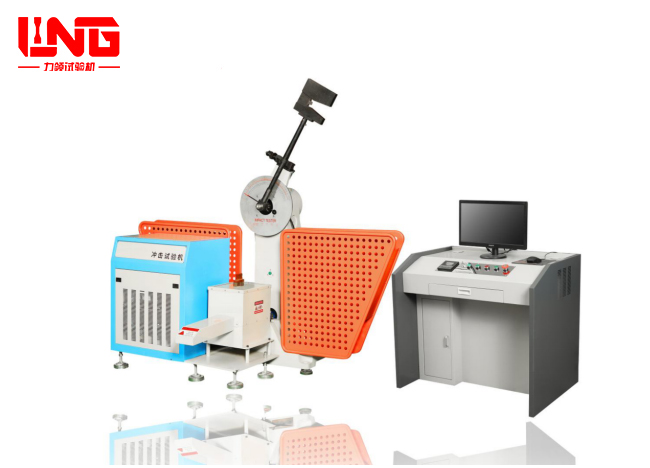
Microcomputer controlled low temperature automatic impact testing machine
Microcomputer-controlled low-temperature automatic impact te...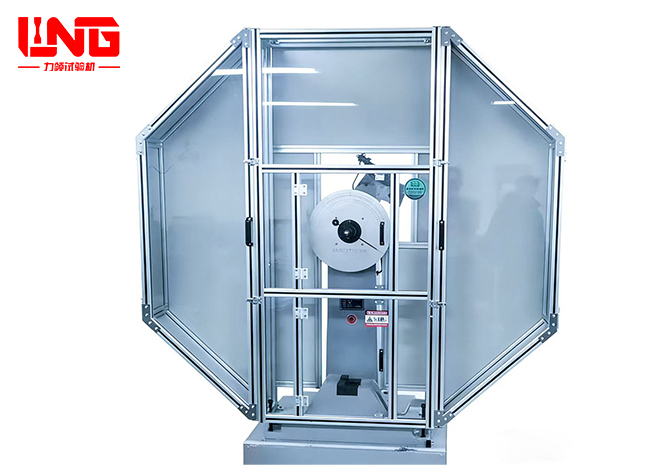
JBW-300B Microcomputer Screen Display Automatic Impact Tester
Microcomputer screen display automatic impact testing machin...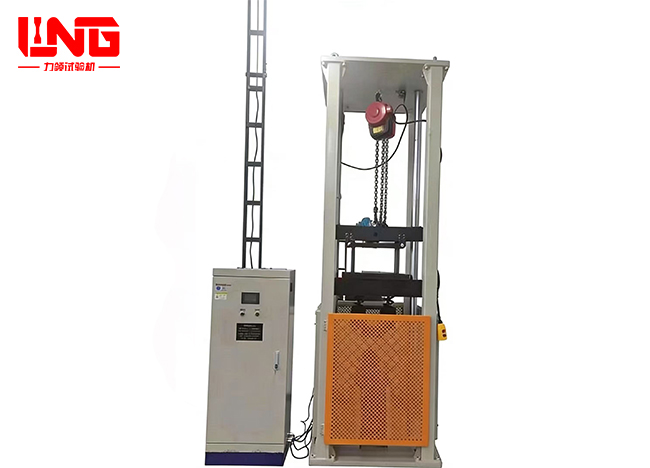
JLS-1000 light alloy wheel radial impact tester
JLS-1000 light alloy wheel radial impact tester radial impac...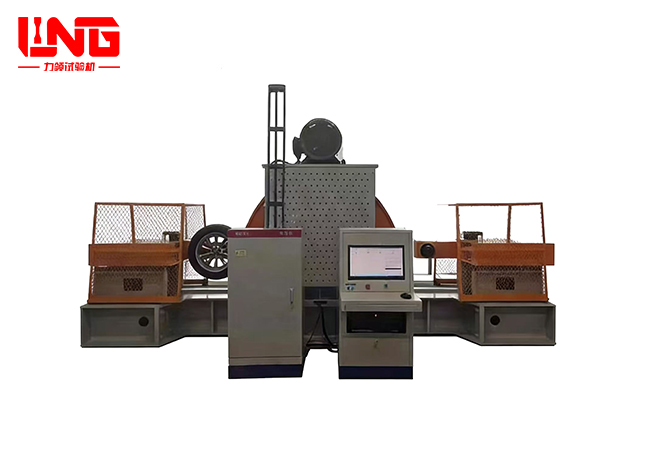
JX-30 wheel radial load fatigue testing machine
The wheel radial load fatigue testing machine is mainly used...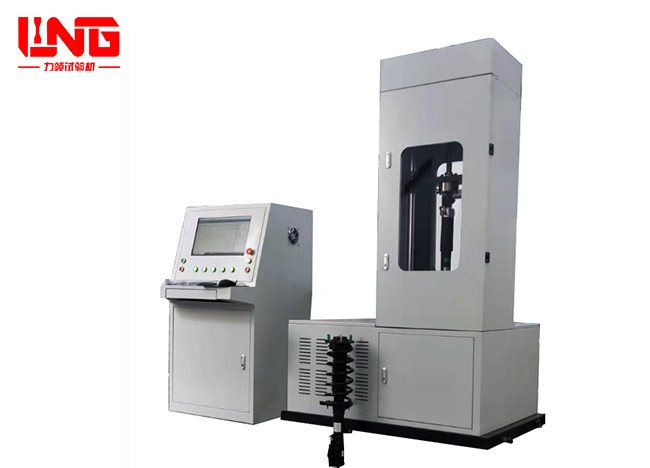
LSTH-20 Microcomputer-controlled dynamometer for shock absorber
LSTH series microcomputer-controlled on-line dynamometer for...
Dry Rubber Wheel Abrasive Wear Tester
LLG-130 dry sand rubber wheel wear tester is a dry sand semi...
About LiLing
Product range
News
Contact LiLing
National Service Hotline:+86 18660398828
Address:Building 2, No. 6 Weihua West Road, Shizhong District, Jinan City, Shandong Province,China


Business consultation (WeChat)
Technical Support: ChaoYueHuLian
Links: